
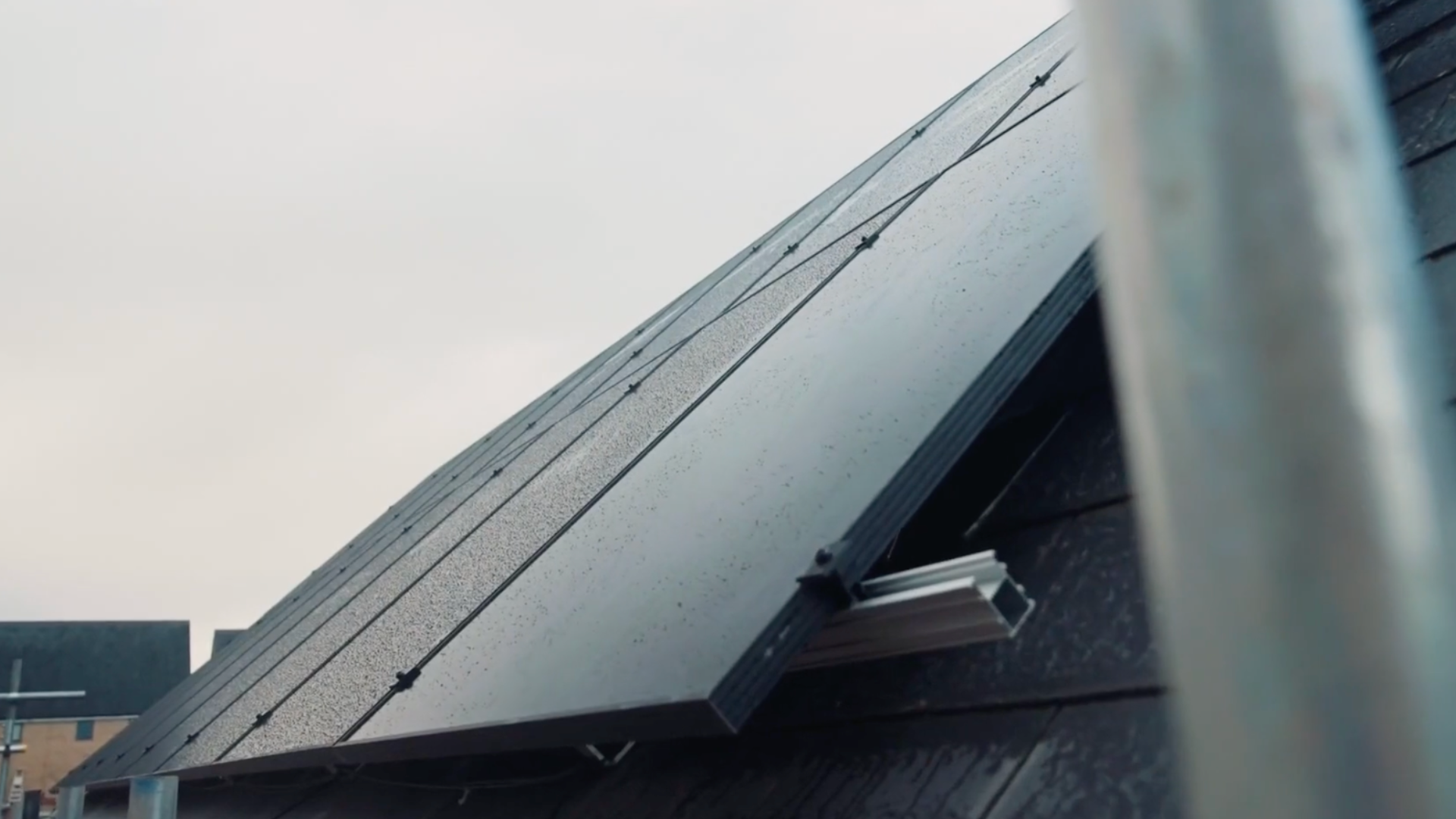
If you have solar panels or you’re thinking of installing solar panels, you may have wondered what may affect their performance. So, what actually affects how much energy your solar panels produce?
There are several factors at play, from the amount of daylight and the weather to the position and even shading of the equipment. Once you understand what may affect the performance of your panels, you’ll know exactly what to expect from your system, so you can get the most out of your investment.
In this blog, we’ll take a look at the main things that can affect solar panel performance, and some super simple ways to help your panels work as efficiently as possible. Let’s get started!
1. Sunlight and Weather Conditions
First up is the weather. It’ll probably come as no surprise that sunlight plays a big part in the performance of your panels. On a beautifully bright and sunny day, your panels will normally generate more electricity than they would on a heavily overcast day. That said, solar panels don’t need direct sunshine to work. The truth is that they generate electricity from daylight, so they’ll still produce energy when it’s cloudy.
The seasons will also make a difference. During the summer, when the UK has longer daylight hours, your panels have more time to generate electricity. The shorter days and lower levels of daylight throughout winter do mean generation naturally tends to be slightly less; however, solar panels can still generate a great amount of energy throughout the colder months, and still have a substantial effect on your energy bills. Rain can temporarily reduce output because there is less available light. However, there is a small benefit, as rainfall can help to wash away some of the dirt and dust that can naturally build up on your panels.
2. Panel Orientation and Roof Angle
Where your solar panels are positioned can have an impact on their performance. In the UK, south-facing roofs are typically considered ideal as they receive plenty of sunlight throughout the day. However, east- and west-facing roofs also work very well. An east-facing system will generate more electricity earlier in the day, and west-facing panels will produce more energy in the afternoon.
The angle and pitch of your roof also matter. Our team will consider how the panels will receive daylight when deciding on the best position for your system. Every property is different, which is why a solar consultation is important for your home. Book yours today to discover how solar could work for your home.
3. Shade and Obstructions
Shade is one of the biggest things that can actually affect solar panel performance. Chimneys, neighbouring buildings, trees, dormer windows and even other parts of your roof can all cause shadows on your panels. As solar panels rely on daylight to generate energy to power your home, shading can cause a reduction in generation.
This is another reason why professional consultations are so important. Our team will identify potential sources of shade and take them into account when they design your system.
4. Dirt, Dust and Debris
Over time, things such as leaves, moss, dust, bird droppings and even general pollution can build up on your panels. But for most UK homes, regular professional cleaning isn’t usually necessary. Surprisingly, our weather does a pretty good job of keeping panels clean, with the rain naturally washing away much of the everyday dirt. If your panels do have a particularly heavy build-up of dirt or debris, professional cleaning may be worthwhile, as a heavy build-up can affect solar panel performance.
Our solar panels feature a dual-layered coating which is designed to help keep the panels cleaner, making it much easier for them to continue performing effectively.
5. Age of the Solar Panels
Next up is the age of your solar system. Just like most technology, solar panels do naturally become slightly less efficient as they get older; this is known as degradation.
The good news is that modern solar panels are cleverly designed to perform reliably for decades. In fact, our solar panels have an expected lifespan of around 30 years. It’s important to note that even after this period, solar panels don’t simply stop working. Most solar panels will continue to generate electricity far past their lifespan, just at a slightly reduced rate.
If you’re considering solar, choosing good-quality panels can make a real difference to long-term performance. We only install quality Tier 1 solar panels and trusted equipment designed with a sleek, all-black look to suit every home. Fill in our quick and simple form today to book your free solar consultation, and find out more about reliable, long-term energy generation with Evergen.
Tips to Maximise Solar Panel Performance
There are a few very simple things you can do to make sure your solar panels keep performing at their best. These include:
- Keeping an eye out for any heavy debris or anything covering your panels.
- If necessary, get a professional cleaner to clean the panels.
- Monitor your system’s electricity generation regularly (you’ll be able to do this on our handy app).
- Choose high-quality solar panels and equipment.
- Speak to our experienced, professional team who will design your system properly.
Making the Most of Your Solar Panels
Solar panel performance really depends on a combination of factors. Weather and daylight conditions may naturally affect generation, while the position of your panels, shading, and cleanliness can all play a part too.
The good news is that many of these factors can be considered before your system is installed. With the right equipment and professional design, you can give your solar panels the best possible chance of performing efficiently for many years. Thinking about solar panels for your home? Get in touch today and see how much you could benefit from solar.

