
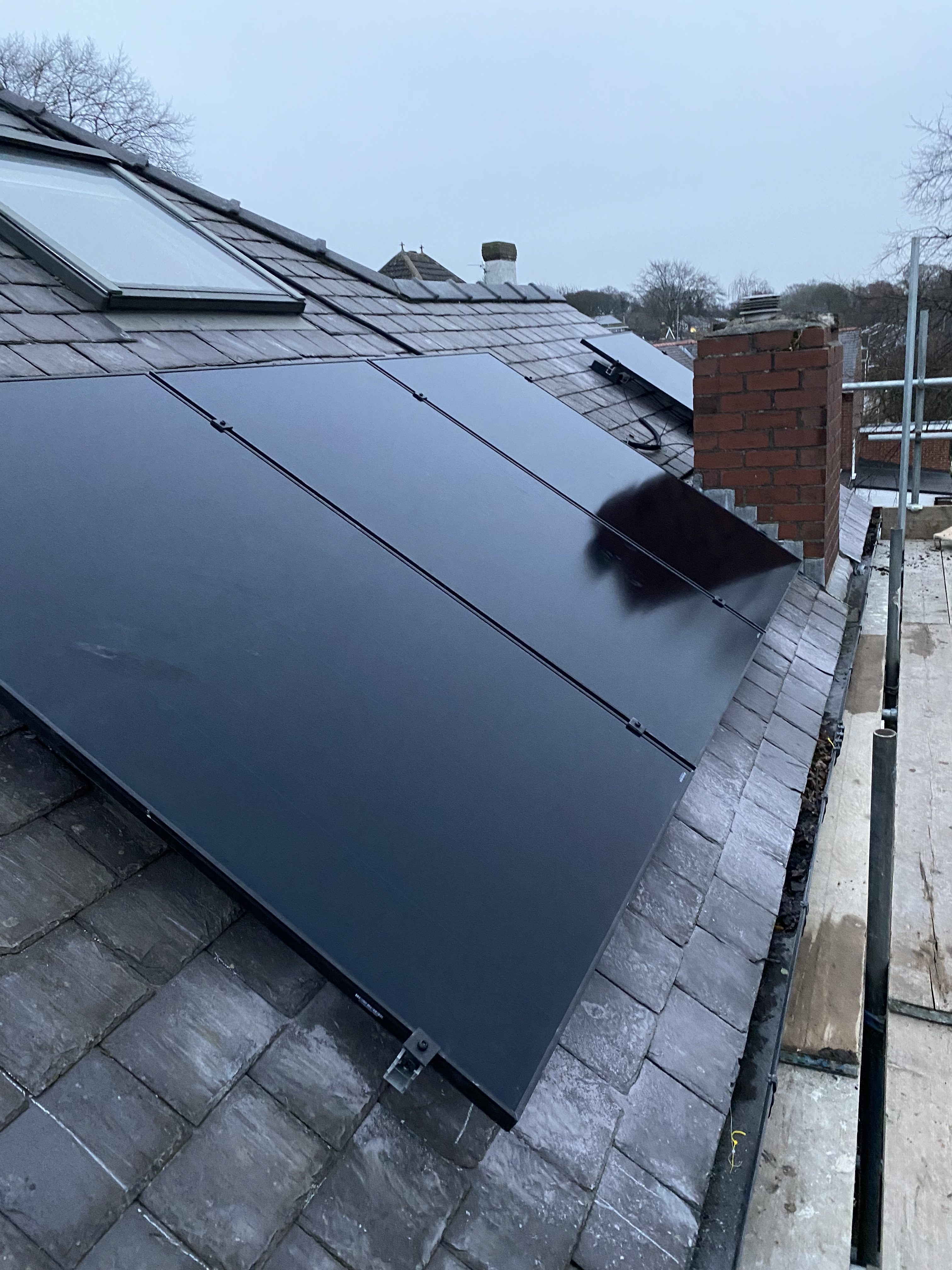
For the majority of homes, installing solar panels is a reasonably straightforward process. But if you live in a listed building, that’s where things can be ever so slightly more complicated. That doesn’t necessarily mean solar panels are off the table. It simply means there are a few extra rules you’ll need to follow, and you’ll have to consider the character and appearance of the building before going ahead.
So, can you install solar panels on a listed building? Let’s take a look!
What is a Listed Building?
Not every old building is listed. A listed building is a property that’s considered to have special architectural or historic interest. When a property is listed, it helps protect it from changes that could affect its character or historic features.
There are different grades of listing in England. Grade I and Grade II* buildings are especially important, while Grade II listed buildings make up the vast majority of listings. If you’re not sure whether your home is listed, you can check the official National Heritage List for England. It’s definitely worth doing this before you make any plans for solar panels, as the rules can be quite different compared to those for a standard property.
Wondering whether solar could work for your listed home? Book your free solar consultation today to speak to a member of our team.
Do I Need Planning Permission for Solar Panels on a Listed Building?
In the majority of cases, you will need planning permission. Installing solar panels on a listed building will normally require listed building consent, and you may also need planning permission depending on the circumstances. This is due to the fact that solar panels can alter the appearance of a historic building. Planning authorities will want to make sure that any proposed installation doesn’t harm the building’s architectural or historic interest. The best place to start is your local planning authority. They’ll be able to tell you what permissions you’ll need and also how to apply.
When considering an application, details such as where the panels will be positioned, how visible they’ll be and whether they affect any historic features can all be important. It’s a good idea to get advice early.
What’s the Difference Between Listed Buildings and Conservation Areas?
It’s easy to get the two confused, but a listed building and a conservation area aren’t the same thing.
A listed building is an individual property that’s protected due to its historic or architectural significance. Whereas a conservation area is a wider area that’s recognised for its special architectural or historic character (national parks, nature reserves, historic towns and villages, etc).
When you live in a conservation area, it doesn’t automatically mean your home is listed. However, there can still be additional planning restrictions around changes to properties, including installing solar panels.
The rules can also vary depending on your local authority and the type of installation you’re proposing. That’s why it’s always worth checking with your local council before you install solar, particularly if your property is listed or sits within a conservation area.
If you’re curious about whether your roof could be suitable for solar, book your free solar consultation, and we’ll help you explore your options.
Why Aren’t Some Listed Buildings Suitable for Solar Panels?
Unfortunately, solar panels aren’t suitable for every listed building. One of the biggest issues is often visibility. If the panels would be clearly visible from the street or affect an important part of the building, getting consent may be more challenging.
Another important consideration is the condition and structure of the roof, especially if it’s old or fragile with historic materials. You may also have architectural features that need to remain untouched.
That’s why a proper consultation is so important. Book your free solar consultation today, and we’ll see what’s possible for your property.
What Are the Benefits of Solar Panels on a Listed Building?
If you do get the necessary permissions and your property is suitable, solar panels can have some real benefits. Firstly, when you generate your own electricity, you can reduce the amount of energy you buy from the grid. This could be useful in an older property where energy costs can be higher due to heat loss and the amount of energy needed for heating.
And while it’s true that a listed building needs to be treated with care, being old doesn’t mean it can’t benefit from modern technology. In fact, with the right approach, renewable energy and historic buildings can sometimes work perfectly well together.
So, Can You Install Solar Panels on a Listed Building?
Yes, it can be possible, with the right permissions and advice. The key is to check your property’s status, understand the planning requirements, and get the appropriate consent before any work begins. A listed building shouldn’t automatically rule out solar panels. With careful planning, professional advice and the right permissions in place, you may still be able to enjoy the benefits of solar energy while respecting the character of your home.
Book your free solar consultation with Evergen today to find out what’s possible for your home.

