
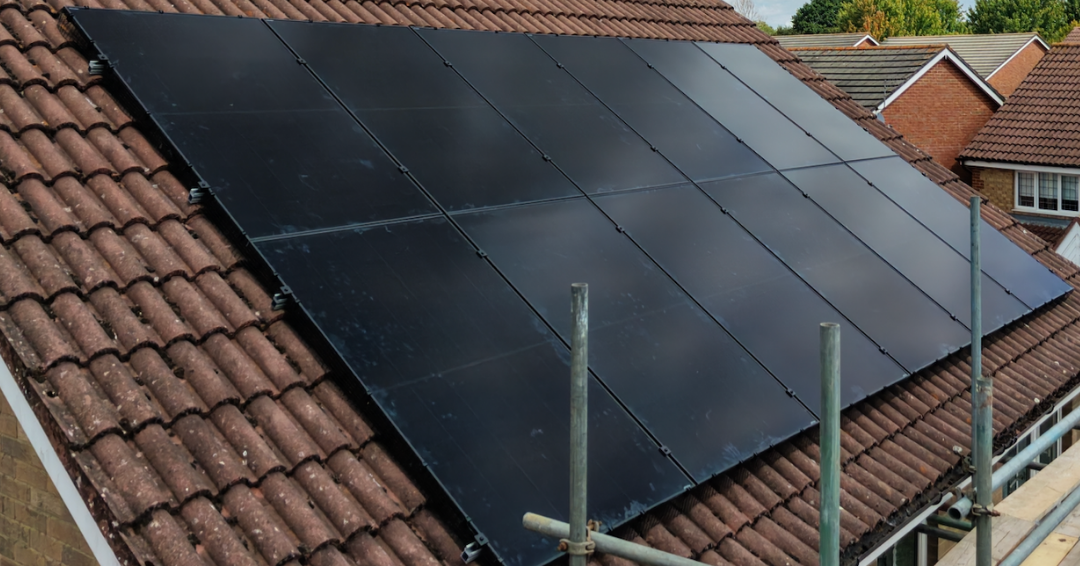
We’ve all heard the phrase ‘climate change’ as it’s a topic that’s hard to avoid these days. Whether it’s worrying headlines about unusually warm weather or conversations around rising energy bills, it’s becoming increasingly common to hear about it on the news and social media.
One area making a real difference is renewable energy, and solar power is right at the heart of it. But what exactly is climate change, why is it happening, and can making the switch to solar really make a difference?
From making small changes around the home to switching to clean renewable energy sources like solar power, there are plenty of ways we can all play a part in looking after the planet. And don’t worry, it doesn’t have to mean completely changing the way we live.
The Growth of Renewable Energy
It’s no secret that renewable energy has become a much bigger part of the energy landscape and is certainly part of the conversation around climate change, and for good reason.
Traditionally, much of the energy we use has come from fossil fuels such as coal, oil and gas. And although these have powered our homes, businesses and transport for decades, burning them releases greenhouse gases into the atmosphere, contributing significantly towards global warming.
This is where renewable energy offers a cleaner alternative. Sources such as solar and wind power use naturally replenished resources to generate electricity, which in turn helps to reduce our reliance on fossil fuels.
Renewable energy is rapidly becoming a normal part of everyday life. More and more homes and businesses are installing solar panels on their property across the UK, as investment in cleaner energy continues to grow.
For homeowners looking for a cleaner alternative to traditional electricity, solar power is a great option. Solar panels use energy from the sun to generate electricity for your home. They turn daylight into power for your home, helping you rely less on electricity from the grid, reduce your household’s carbon footprint, and help homeowners make long-term meaningful savings on energy bills.
Thinking about making the switch to solar? It’s easier than you think. Book a free solar consultation with our team to find out how solar panels could work for your home.
What is Climate Change?
Put simply, climate change refers to long-term changes in the Earth’s temperatures and weather patterns.
The planet’s climate naturally changes throughout history; however, the change we are experiencing today is happening much faster, largely due to human activity. The biggest contributor? Greenhouse gases (especially carbon dioxide and methane). These gases trap heat in the Earth’s atmosphere, which then creates what is known as the greenhouse effect. While this process does happen naturally and helps keep our planet warm, too many greenhouse gases cause temperatures to rise.
A major source of these emissions is burning fossil fuels for electricity, transport and industry. So, what does this actually mean for the planet?
Well, rising global temperatures can lead to a change in weather patterns, greater pressure on wildlife, natural habitats and ecosystems. It’s a pretty big issue, but understanding what’s happening is the first step towards making a difference.
What can we do to Help Fight Climate Change?
There are small changes we can all make which can help to make a difference, the choices we make every day can add up. Take a look below at a few ways we can help:
- Switch to renewable energy
One of the biggest changes you can make is reducing your reliance on fossil fuels. Installing solar panels is a great way to generate your own cleaner electricity right at home and reduce your carbon footprint.
- Consider driving an electric vehicle
Another major source of greenhouse gas emissions is how we get from A to B. If you’re thinking about changing your car, an electric vehicle could be worth considering. EVs have no exhaust emissions, making them a cleaner alternative to petrol and diesel cars, and charging one using renewable electricity can make your journeys even cleaner.
- Make your home more energy-efficient
You don’t always need to make big investments to use less energy. Simple changes like switching to LED light bulbs and turning off appliances when they’re not being used can all help to reduce your energy consumption.
- Make the most of the energy you generate
If you have solar panels or are considering solar for your home, adding a battery can help you store surplus electricity generated during the day and use it later once the sun has stopped shining. This can help you make even better use of your own solar energy.
Want to see what solar could do for your home? Get in touch to book your free solar consultation. We’ll help you explore your options and design a solar system suited to your home.
How Can Solar Panels Help Climate Change?
Solar panels can play an important role in tackling climate change by helping us move away from traditional energy sources and towards cleaner, renewable energy.
Unlike traditional energy, solar panels produce electricity from daylight without releasing carbon emissions. This means that generating your own solar energy can help reduce your household’s carbon footprint and reduce your reliance on fossil fuels.
Solar panels also make renewable energy more accessible. Instead of relying entirely on electricity from the grid, you can generate your own power right from your own rooftop. And if you want to make even more use of the energy you produce, adding a battery storage system allows you to store excess electricity for later, such as in the evening when the sun isn’t shining.
Thinking about making the switch to solar? Book a free solar consultation with our team to find out how solar panels could benefit your home.

