
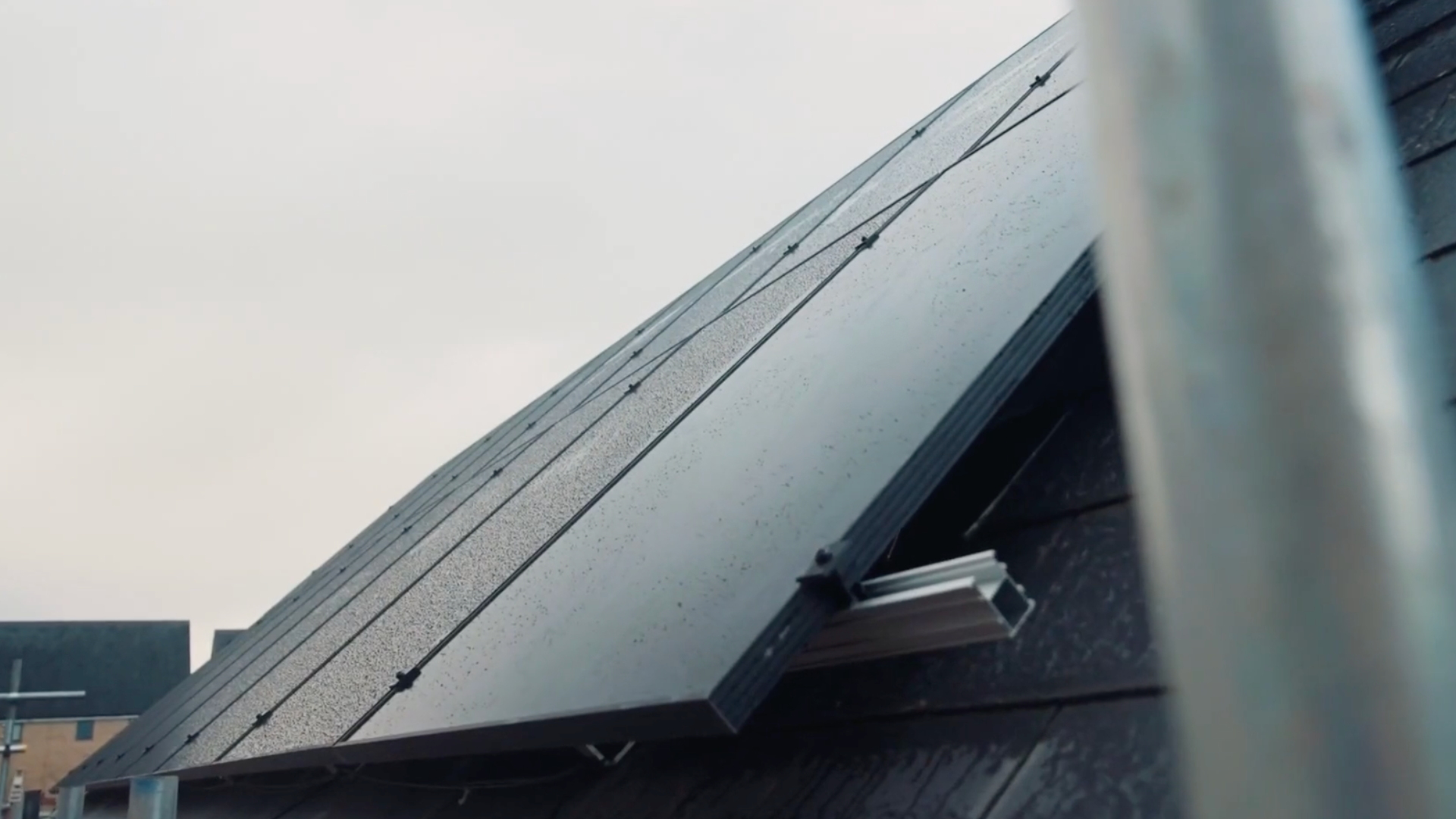
If you’re considering installing solar panels on your home, you may have thought about how effective they will be throughout the winter months. With shorter days, cloudy skies and the occasional bit of snow, it’s more than fair to question whether solar panels are worth having during the colder months.
The good news is that yes, solar panels absolutely work in winter. In fact, solar panels generate electricity all year round, even when the weather isn’t exactly bright sunshine. It’s true, you may generate less electricity compared to what you would generate during the summer, but that doesn’t mean your system stops being useful.
So, if you’re thinking about solar panels for your rooftop, here’s what you need to know about how they perform during a typical British winter.
Do Solar Panels Work in the Winter?
Yes, solar panels work throughout winter, even on cold and cloudy days. They use daylight to generate electricity, rather than relying on direct sunshine or warm temperatures. In fact, solar panels can operate efficiently in colder conditions. They actually tend to work best in cool, sunny weather because excessive heat can actually reduce their efficiency.
The main challenge, however, is that in winter, the sun sits lower in the sky, the days are shorter, and there are fewer hours available to generate electricity. This means your panels will usually produce slightly less energy in winter than they do in summer. That said, they can still help to power your home and reduce the amount of electricity you’d need to buy from the grid.
Curious about how much solar could save you? Book your free solar consultation and find out what a system could look like for your home.
How Much Electricity Do Solar Panels Generate in Winter?
There isn’t exactly a one-size-fits-all answer to this question, as winter solar generation depends entirely on a few different factors. For example: your location, roof direction, panel angle, system size, and, of course, the weather.
In the UK, solar generation tends to vary quite a bit throughout the year. During the longer summer days, your panels have more time to capture daylight, whereas in winter, shorter days and a lower sun mean there’s less energy available to generate electricity. However, you can still generate a significant amount of electricity throughout the winter; it’ll just be slightly less compared to the amount your panels will generate throughout summer.
Your roof’s orientation can also make a difference. South-facing roofs generally receive more sunlight across the day, although east- and west-facing systems can work well too.
The important thing to remember is that solar panels are designed to work across the whole year, not just during the sunniest months. Summer generation can help balance out the lower output you experience in winter, especially with the use of battery storage.
Do Solar Panels Work on Cloudy Days?
Absolutely. In fact, this is one of the biggest misconceptions about solar panels. Although direct sunshine helps them generate more electricity, solar panels can still capture daylight even when the sky is overcast. So, even if the sun is hiding behind a layer of cloud, your panels will continue to produce power.
Of course, output will vary depending on the amount of cloud cover, but even so, a cloudy day doesn’t mean your solar panels won’t produce electricity for your home.
Want to know how solar panels could perform on your roof? Get in touch to book a free solar consultation today.
What Happens to Solar Panels when it Snows?
Snow can temporarily reduce solar generation if it’s covering your system and blocking the daylight from reaching your panels.
The good news is that snow doesn’t typically tend to stay on solar panels for long. Panels are fitted at an angle, so snow can naturally slide off as it melts. Their dark surfaces can also absorb sunlight and help warm them up slightly, although this does depend on the weather and how much snow has accumulated. If snow does cover your panels, generation may be reduced until enough of it clears.
Do not climb onto your roof to clear snow yourself. It’s dangerous, particularly in icy conditions. Let the snow clear naturally or speak to a professional if you have any concerns.
Are Solar Panels Worth it in Winter?
Solar panels are a long-term investment, and their value comes from the electricity they generate over a year. Over time, solar panels help reduce your reliance on the grid and lower your household bills. So while it’s true that solar generation is typically highest during spring and summer, solar panels are still worth it throughout autumn and winter, and they’ll still make significant changes to your energy bills, even when the sun isn’t shining as much.
Our expertly designed bespoke systems are built to last for decades. So, with a system that’s designed to last at least 30 years, there’s plenty of time for those year-round savings to add up.
And if you add a solar battery, you can store some of the electricity your panels generate during the day and use it later, such as in the evening when you’re cooking dinner and using more electricity. This helps you make better use of your solar energy throughout the year.
Thinking about making the switch to solar? Book your free solar consultation today to find out what might work best for your home, your energy usage and your budget.
So, Do Solar Panels Work in Winter?
They certainly do! Although shorter days, cloudy weather and the occasional bit of snow may mean solar panels produce slightly less in the winter, they can still generate a significant amount of power throughout the colder season.
The key is to look at the bigger picture. Solar panels work all year round, so you can save on your bills and power your home with solar energy no matter the weather. And with the addition of battery storage, you can make your solar energy and savings go further.
If you’re considering solar panels for your home, there’s no need to wait until spring or summer. Book your free solar consultation today and find out how solar panels could help you make the most of your home’s energy.

