
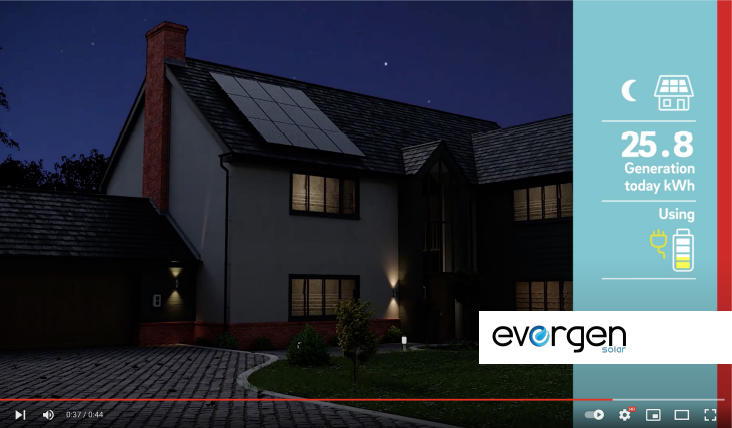
A question we’ve been asked a lot recently has been about whether solar panels are capable of utilising moonlight to charge. The answer is… kind of.
Moonlight is reflected sunlight, so it would make sense that a solar panel can generate energy from reflected sunlight. So technically, yes, a solar panel can charge from moonlight. However, the amount of energy generated is minimal. In fact, it’s exceptionally minimal.
Sunlight is composed of different colours of light, along different wavelengths. When the different wavelengths and colours of light are combined you get the familiar colour we see as sunlight. Sunlight is comprised of all the colours of the rainbow, but since moonlight is only reflected light, it is comprised of mainly blue and violet light which unfortunately doesn’t work well with solar panels. They like yellow more.
On a clear night, with a full moon you could expect your solar panels to produce around 0.3% of the energy they would normally produce in direct sunlight and clear skies. In practical terms, this means that if your panels normally produce 300 watts of power during the day, they would only produce around a single watt of power in moonlight. This would be less than the amount needed to run an energy efficient LED lightbulb.
One other thing to consider is that your solar panel system might go into ‘sleep’ mode at night, so they aren’t actively producing energy. Your solar inverter may also not recognise the amount of energy generated from moonlight as enough to activate it either. So, even though technically yes, your solar panels could utilise moonlight to charge, in practical terms the amount of energy moonlight can generate is simply not enough for your panels to wake up and harness.

